Serving Pincher Creek, Alberta and beyond
SERVICES
What type of therapy are you seeking? Are you interested in deep tissue work to enhance your range of motion or to relieve pain and stiffness? Perhaps you need a treatment plan tailored for recovery from an injury, surgery, or a chronic condition. If relaxation is your goal, I offer massages specifically designed to promote unwinding and stress relief. Or maybe you're looking for guidance on techniques that empower you to be your own massage therapist, enabling daily self-care at home. At ProActive Massage Therapy, I provide all these options and more to cater to your individual needs, from my comfortable, private clinic, attached to my home. I’m here to support your journey towards wellness!
I provide three main types of services:
Click or scroll to learn more!

Massage/Bodywork
Every 90-minute Massage/Bodywork session is planned around your goals—pain management, injury rehab, sports performance, stress relief, or relaxation. I use anatomic precision and client-guided pressure to release tension, restore range of motion, and improve tissue function. Techniques may include deep tissue and myofascial release, cupping, TMJ and intra-oral work, trigger point therapy, muscle energy techniques, joint mobilization, reflexology, and lymphatic techniques.

Uses sustained, precise pressure and slow fascial work to address chronic tension and restrictions. Aims to improve tissue glide, range of motion, and overall function—always paced to your tolerance.
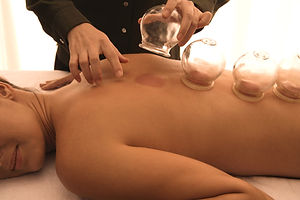
Gentle suction lifts skin and fascia to create space and increase local circulation. Can reduce perceived tightness and support mobility. May leave temporary marks that fade in a few days.
External and intra-oral work (with gloves and consent) to address jaw-related tension, bruxism, ear/facial pain, and related headaches. Aims to improve comfort and jaw mobility.
Performance- and recovery-focused sessions tailored to your sport or activity to help reduce soreness, improve flexibility, and support training cycles.
Targeted pressure to feet, hands, or ears intended to promote relaxation and nervous system balance. A complementary wellness practice, not diagnostic or curative.
Light, rhythmic strokes that encourage lymph flow and reduce swelling. Especially useful for mild edema and post-injury congestion; always gentle and timed.
Uses sustained, precise pressure and slow fascial work to address chronic tension and restrictions. Aims to improve tissue glide, range of motion, and overall function—always paced to your tolerance.
Gentle suction lifts skin and fascia to create space and increase local circulation. Can reduce perceived tightness and support mobility. May leave temporary marks that fade in a few days.
External and intra-oral work (with gloves and consent) to address jaw-related tension, bruxism, ear/facial pain, and related headaches. Aims to improve comfort and jaw mobility.
Performance- and recovery-focused sessions tailored to your sport or activity to help reduce soreness, improve flexibility, and support training cycles.
Targeted pressure to feet, hands, or ears intended to promote relaxation and nervous system balance. A complementary wellness practice, not diagnostic or curative.
Light, rhythmic strokes that encourage lymph flow and reduce swelling. Especially useful for mild edema and post-injury congestion; always gentle and timed.

Structural Integration (ATSI)
What it is:
A whole-body approach to improving posture, movement, and ease by working with the connective tissue (fascia) and movement patterns.
How it works:
A structured series of sessions (most often 12) combining skilled myofascial work with movement education and awareness.
What makes it different:
Rather than treating isolated symptoms, Structural Integration addresses how your entire body organizes itself in gravity.
Your role:
Active participant and co-therapist. Your awareness, feedback, and integration between sessions are essential.
Common reasons people choose SI:
· Chronic tension or discomfort
· Postural or movement limitations
· Desire for lasting change rather than short-term relief
· Curiosity about how the body adapts and heals
Time commitment:
Typically 12 sessions spaced over 3-4 months.
Is it right for you?
Structural Integration is best suited for people who are willing to engage thoughtfully in a process of change rather than seeking a quick fix.
Structural Integration (SI) is a form of manual therapy and movement education that works with the body’s connective tissue—known as fascia—to improve alignment, balance, and ease of movement. Rather than focusing on isolated muscles or symptoms, Structural Integration looks at the whole body and how it organizes itself in gravity.
Anatomy Trains Structural Integration (ATSI) is one school within the broader field of Structural Integration. It grows out of the pioneering work of Dr. Ida P. Rolf and was further developed by Thomas Myers, author of Anatomy Trains. ATSI uses a systematic, multi-session approach—most often a 12-session series—combining slow, precise myofascial work with movement re-education.
Over time, life experiences such as injuries, surgeries, repetitive movement, emotional stress, and cultural habits (like prolonged sitting or device use) can shape how we move and hold ourselves. What begins as a simple response can become a habit, then a posture, and eventually a structural pattern held within the fascial network. Structural Integration is designed to gently unwind these long-held patterns, allowing the body to reorganize toward greater length, balance, and efficiency.
ATSI is often described as an “old-world craft with a 21st-century understanding of anatomy.” Sessions are guided by careful visual assessment (called body reading) and by an understanding of the body’s myofascial continuities—the lines of tension and connection that link distant regions of the body into a coherent whole.
The primary goal of Structural Integration is to reduce unnecessary strain in the body so that movement and posture require less effort. By addressing the fascial fabric that organizes muscles, joints, and bones, ATSI aims to create changes that are not only noticeable but lasting.
Clients often report benefits such as:
· Improved posture and alignment without conscious effort
· Greater ease and efficiency in everyday movement
· Reduced chronic tension or discomfort
· Increased body awareness and coordination
· A sense of feeling more “at home” in their body
Because fascia adapts to long-standing patterns of use and stress, working with it can support changes that go beyond symptom relief. Rather than repeatedly “putting things back into place,” ATSI works with the connective tissue relationships that hold the body in place, so new alignment becomes part of how you naturally stand, walk, and move.
Structural Integration is often complementary to other forms of care, such as massage therapy, chiropractic, or osteopathy. While each approach has its own focus, ATSI emphasizes whole-body integration and long-term pattern change.
It is also worth noting that some clients experience emotional or perceptual shifts as physical patterns change. These experiences are generally temporary and are understood as part of the body’s process of letting go of old holding patterns.
The primary goal of Structural Integration is to reduce unnecessary strain in the body so that movement and posture require less effort. By addressing the fascial fabric that organizes muscles, joints, and bones, ATSI aims to create changes that are not only noticeable but lasting.
Clients often report benefits such as:
· Improved posture and alignment without conscious effort
· Greater ease and efficiency in everyday movement
· Reduced chronic tension or discomfort
· Increased body awareness and coordination
· A sense of feeling more “at home” in their body
Because fascia adapts to long-standing patterns of use and stress, working with it can support changes that go beyond symptom relief. Rather than repeatedly “putting things back into place,” ATSI works with the connective tissue relationships that hold the body in place, so new alignment becomes part of how you naturally stand, walk, and move.
Structural Integration is often complementary to other forms of care, such as massage therapy, chiropractic, or osteopathy. While each approach has its own focus, ATSI emphasizes whole-body integration and long-term pattern change.
It is also worth noting that some clients experience emotional or perceptual shifts as physical patterns change. These experiences are generally temporary and are understood as part of the body’s process of letting go of old holding patterns.
Structural Integration tends to suit people who are curious about their body, open to change, and interested in understanding how posture, movement, and life experience are connected. You do not need to be flexible, athletic, or free of pain to benefit.
You may be a good candidate if you:
· Have long-standing tension, discomfort, or movement restrictions
· Notice habitual postures or movement patterns you would like to change
· Feel that previous treatments have helped temporarily but not created lasting change
· Are interested in developing greater body awareness
Before beginning a 12-Series, it helps to have a few things in place:
· Time and continuity: Structural Integration works best when sessions are spaced consistently, allowing each one to build on the last.
· Willingness to participate: While the practitioner provides the manual work, your awareness, feedback, and attention are essential parts of the process.
· Openness to sensation and change: The work can be deep at times, but it is always collaborative. Communicating your experience helps guide the session.
· Capacity for integration: Simple practices such as walking, resting when needed, and noticing changes between sessions support better outcomes.
Structural Integration may not be appropriate if you are looking for a quick fix, are unable to commit to a series, or have medical conditions or acute trauma that would make deep or sustained manual work unsuitable without medical clearance. Your practitioner can help you determine whether this work is appropriate for you.
The ATSI series is a process of realigning your body, educating your kinesthetic sense, and reclaiming ease in movement. Each session has a particular focus, yet the series unfolds as a whole, with changes accumulating over time.
Before and after sessions:
· Allow time for a short walk before and after your appointment. Walking helps you sense changes and supports integration.
· Consider keeping a journal. Noting sensations, emotions, posture, movement, or even dreams can help you track subtle and meaningful shifts.
During sessions:
· Stay present and communicate. If pressure feels too intense or you notice yourself bracing, let your practitioner know so the work can be adjusted.
· Remember that you are the expert on your own body. Collaboration leads to better results than endurance.
Between sessions:
· Listen to your body’s signals. You may feel drawn to move more—or to rest more—as your system adapts.
· Break up long periods of sitting with gentle movement or stretching.
· Warm baths, especially with Epsom salts, can ease residual soreness.
Awareness and posture:
· Avoid forcing yourself into what you think is “good posture.” Structural Integration is designed to help your body find balance without effort.
· If you are given awareness practices or simple movements, approach them gently and frequently rather than holding positions rigidly.
· One of the most powerful tools is simply noticing when old patterns return—and allowing them to soften again.
Changes may feel most obvious immediately after a session and subtler as the week goes on. This does not mean the work has disappeared; rather, your body is integrating it. Many clients continue to notice positive changes for months after completing the series.
Above all, the ATSI 12-Series is an opportunity to explore how your body organizes itself in gravity and movement. Approached with curiosity, patience, and active participation, it can be a deeply informative and rewarding process.
Structural Integration helps your body find easier alignment and movement by working with the fascia that connects everything. Anatomy Trains Structural Integration (ATSI) uses precise touch, movement education, and bodyreading to unwind strain patterns and improve support and coordination. Choose a focused 3-session series as an introduction to Structural Integration or a comprehensive 12-series for whole-body change. Sessions are collaborative, paced to your comfort, and designed to help changes integrate into daily life.
More About ATSI
What it is:
A whole-body approach to improving posture, movement, and ease by working with the connective tissue (fascia) and movement patterns.
How it works:
A structured series of sessions (most often 12) combining skilled myofascial work with movement education and awareness.
What makes it different:
Rather than treating isolated symptoms, Structural Integration addresses how your entire body organizes itself in gravity.
Your role:
Active participant and co-therapist. Your awareness, feedback, and integration between sessions are essential.
Common reasons people choose SI:
· Chronic tension or discomfort
· Postural or movement limitations
· Desire for lasting change rather than short-term relief
· Curiosity about how the body adapts and heals
Time commitment:
Typically 12 sessions spaced over 3-4 months.
Is it right for you?
Structural Integration is best suited for people who are willing to engage thoughtfully in a process of change rather than seeking a quick fix.
Structural Integration (SI) is a form of manual therapy and movement education that works with the body’s connective tissue—known as fascia—to improve alignment, balance, and ease of movement. Rather than focusing on isolated muscles or symptoms, Structural Integration looks at the whole body and how it organizes itself in gravity.
Anatomy Trains Structural Integration (ATSI) is one school within the broader field of Structural Integration. It grows out of the pioneering work of Dr. Ida P. Rolf and was further developed by Thomas Myers, author of Anatomy Trains. ATSI uses a systematic, multi-session approach—most often a 12-session series—combining slow, precise myofascial work with movement re-education.
Over time, life experiences such as injuries, surgeries, repetitive movement, emotional stress, and cultural habits (like prolonged sitting or device use) can shape how we move and hold ourselves. What begins as a simple response can become a habit, then a posture, and eventually a structural pattern held within the fascial network. Structural Integration is designed to gently unwind these long-held patterns, allowing the body to reorganize toward greater length, balance, and efficiency.
ATSI is often described as an “old-world craft with a 21st-century understanding of anatomy.” Sessions are guided by careful visual assessment (called body reading) and by an understanding of the body’s myofascial continuities—the lines of tension and connection that link distant regions of the body into a coherent whole.
The primary goal of Structural Integration is to reduce unnecessary strain in the body so that movement and posture require less effort. By addressing the fascial fabric that organizes muscles, joints, and bones, ATSI aims to create changes that are not only noticeable but lasting.
Clients often report benefits such as:
· Improved posture and alignment without conscious effort
· Greater ease and efficiency in everyday movement
· Reduced chronic tension or discomfort
· Increased body awareness and coordination
· A sense of feeling more “at home” in their body
Because fascia adapts to long-standing patterns of use and stress, working with it can support changes that go beyond symptom relief. Rather than repeatedly “putting things back into place,” ATSI works with the connective tissue relationships that hold the body in place, so new alignment becomes part of how you naturally stand, walk, and move.
Structural Integration is often complementary to other forms of care, such as massage therapy, chiropractic, or osteopathy. While each approach has its own focus, ATSI emphasizes whole-body integration and long-term pattern change.
It is also worth noting that some clients experience emotional or perceptual shifts as physical patterns change. These experiences are generally temporary and are understood as part of the body’s process of letting go of old holding patterns.
The primary goal of Structural Integration is to reduce unnecessary strain in the body so that movement and posture require less effort. By addressing the fascial fabric that organizes muscles, joints, and bones, ATSI aims to create changes that are not only noticeable but lasting.
Clients often report benefits such as:
· Improved posture and alignment without conscious effort
· Greater ease and efficiency in everyday movement
· Reduced chronic tension or discomfort
· Increased body awareness and coordination
· A sense of feeling more “at home” in their body
Because fascia adapts to long-standing patterns of use and stress, working with it can support changes that go beyond symptom relief. Rather than repeatedly “putting things back into place,” ATSI works with the connective tissue relationships that hold the body in place, so new alignment becomes part of how you naturally stand, walk, and move.
Structural Integration is often complementary to other forms of care, such as massage therapy, chiropractic, or osteopathy. While each approach has its own focus, ATSI emphasizes whole-body integration and long-term pattern change.
It is also worth noting that some clients experience emotional or perceptual shifts as physical patterns change. These experiences are generally temporary and are understood as part of the body’s process of letting go of old holding patterns.
Structural Integration tends to suit people who are curious about their body, open to change, and interested in understanding how posture, movement, and life experience are connected. You do not need to be flexible, athletic, or free of pain to benefit.
You may be a good candidate if you:
· Have long-standing tension, discomfort, or movement restrictions
· Notice habitual postures or movement patterns you would like to change
· Feel that previous treatments have helped temporarily but not created lasting change
· Are interested in developing greater body awareness
Before beginning a 12-Series, it helps to have a few things in place:
· Time and continuity: Structural Integration works best when sessions are spaced consistently, allowing each one to build on the last.
· Willingness to participate: While the practitioner provides the manual work, your awareness, feedback, and attention are essential parts of the process.
· Openness to sensation and change: The work can be deep at times, but it is always collaborative. Communicating your experience helps guide the session.
· Capacity for integration: Simple practices such as walking, resting when needed, and noticing changes between sessions support better outcomes.
Structural Integration may not be appropriate if you are looking for a quick fix, are unable to commit to a series, or have medical conditions or acute trauma that would make deep or sustained manual work unsuitable without medical clearance. Your practitioner can help you determine whether this work is appropriate for you.
The ATSI series is a process of realigning your body, educating your kinesthetic sense, and reclaiming ease in movement. Each session has a particular focus, yet the series unfolds as a whole, with changes accumulating over time.
Before and after sessions:
· Allow time for a short walk before and after your appointment. Walking helps you sense changes and supports integration.
· Consider keeping a journal. Noting sensations, emotions, posture, movement, or even dreams can help you track subtle and meaningful shifts.
During sessions:
· Stay present and communicate. If pressure feels too intense or you notice yourself bracing, let your practitioner know so the work can be adjusted.
· Remember that you are the expert on your own body. Collaboration leads to better results than endurance.
Between sessions:
· Listen to your body’s signals. You may feel drawn to move more—or to rest more—as your system adapts.
· Break up long periods of sitting with gentle movement or stretching.
· Warm baths, especially with Epsom salts, can ease residual soreness.
Awareness and posture:
· Avoid forcing yourself into what you think is “good posture.” Structural Integration is designed to help your body find balance without effort.
· If you are given awareness practices or simple movements, approach them gently and frequently rather than holding positions rigidly.
· One of the most powerful tools is simply noticing when old patterns return—and allowing them to soften again.
Changes may feel most obvious immediately after a session and subtler as the week goes on. This does not mean the work has disappeared; rather, your body is integrating it. Many clients continue to notice positive changes for months after completing the series.
Above all, the ATSI 12-Series is an opportunity to explore how your body organizes itself in gravity and movement. Approached with curiosity, patience, and active participation, it can be a deeply informative and rewarding process.

Self-Care Instruction
SELF-CARE GROUP CLASSES COMING SOON!
Currently, self-care instruction—using movement therapy, foam rollers, balls, and myofascial cups—is available as part of in‑clinic massage therapy and Structural Integration sessions, or as one‑on‑one online instruction.
In the coming months, watch for live, local classes and online group offerings designed to empower you with tools you can use at home to support your own healing.
Gentle ball and soft-roller techniques to hydrate connective tissue, reduce stiffness, and calm the nervous system—10–30-minute routines you can do at home. You will learn repeatable sequences using soft tools to support connective tissue and the autonomic nervous system. Classes include simple science, guided practice with modifications, and a take-home routine.
Targeted small-ball rolling to soften fascial tightness, improve mobility, and build body awareness. These are practical and portable self-massage and movement strategies. You’ll learn to find and soften tension and re-pattern movement with breathing and alignment cues. These techniques avoid aggressive rolling over recent injuries or areas with clot risk.
Easy-to-use silicone cups that lift and glide the skin to reduce localized tightness and boost circulation. You will learn safe placement, suction control, static and gliding techniques, common precautions, and aftercare. These techniques avoid broken skin, active inflammation, varicose veins, suspected DVT, or cancer sites. Check with your provider if on blood thinners. Please note, temporary marks can occur and typically fade within days.
Hands-on work resets patterns; self-care helps your body keep them. I teach accessible routines from MELT, the Roll Model Method, and self-cupping so you can reinforce alignment, improve tissue glide and hydration, ease tension, and support better breathing and movement. Sessions can be added to your treatment, booked as dedicated lessons, or taken as classes—live or on Zoom. Instruction is tailored to your health history, comfort, and goals. Self-care tools are available for purchase in-clinic.
Gentle ball and soft-roller techniques to hydrate connective tissue, reduce stiffness, and calm the nervous system—10–30-minute routines you can do at home. You will learn repeatable sequences using soft tools to support connective tissue and the autonomic nervous system. Classes include simple science, guided practice with modifications, and a take-home routine.
Targeted small-ball rolling to soften fascial tightness, improve mobility, and build body awareness. These are practical and portable self-massage and movement strategies. You’ll learn to find and soften tension and re-pattern movement with breathing and alignment cues. These techniques avoid aggressive rolling over recent injuries or areas with clot risk.
Easy-to-use silicone cups that lift and glide the skin to reduce localized tightness and boost circulation. You will learn safe placement, suction control, static and gliding techniques, common precautions, and aftercare. These techniques avoid broken skin, active inflammation, varicose veins, suspected DVT, or cancer sites. Check with your provider if on blood thinners. Please note, temporary marks can occur and typically fade within days.